Becoming disabled as a teenager felt like being trapped inside a body that no longer listened to me. At 13, I went from being a healthy, active child to someone locked behind a wall of silence and stillness – bedbound, unable to walk, and fighting an invisible illness no one could explain. My teenage years were stolen by Functional Neurological Disorder (FND), a condition that changed every part of my life.
But now, almost ten years later, I am reclaiming my voice. I’m telling my story not only to show the reality of FND, but to prove that even when your body shuts down, your determination doesn’t have to.
I was rushed to hospital and spent four months on a children’s neurological ward while doctors tried desperately to understand what was happening. My case was so unusual it was filmed for medical research used in universities worldwide. Test after test came back normal. Some professionals even mislabelled my condition as Autism or Psychosis. I struggle to remember the early days of my illness and life before it is a blur.
Eventually, after months of unanswered questions, I was diagnosed with Functional Neurological Disorder (FND) – but discharged soon after because there was “no cure” and “nothing more they could do.”
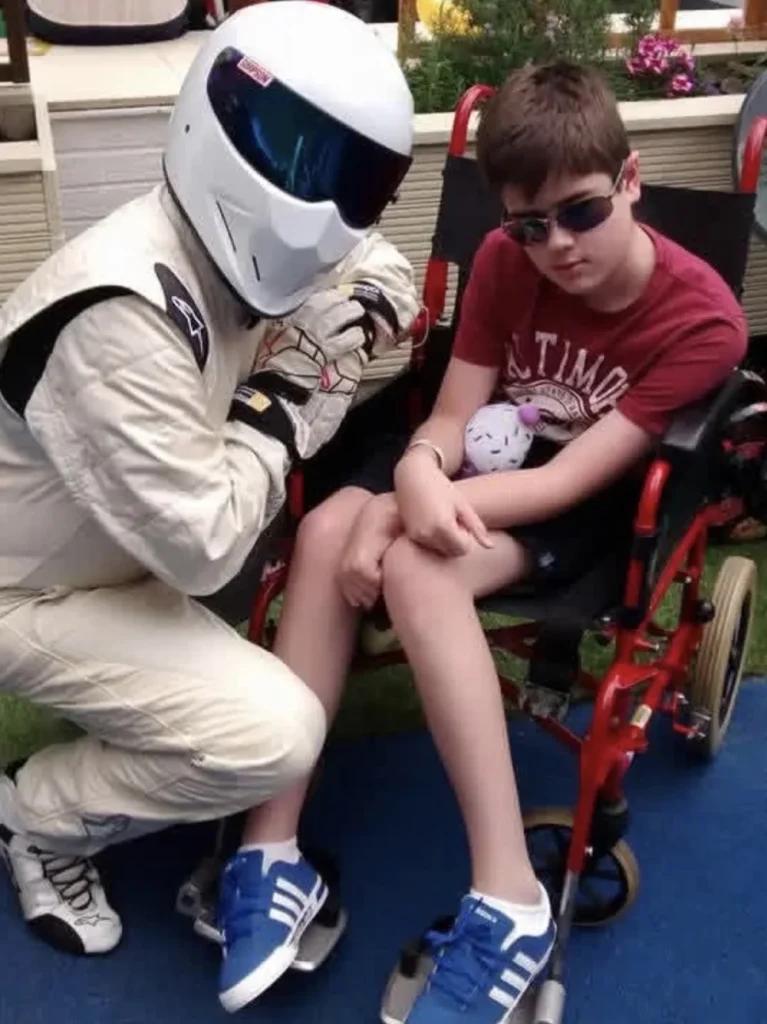
After leaving the hospital, I was given a wheelchair, hospital bed, toilet chair, hand splints, and more. I had at least 20 professionals involved in my care. But my body continued to deteriorate.
Within weeks, I could no longer sit up.
I couldn’t sit, walk, talk, or use my arms.
I became completely bedridden.
Whenever I was moved into equipment, my body collapsed forward, my head falling toward my knees. I couldn’t tolerate touch or physiotherapy. The only place my body didn’t feel like it was collapsing was my hospital bed.
During this time, I was also diagnosed with Catatonia and Dystonia, adding even more complications to my already fragile health.
After a year without speech, something began to change. Slowly, with support, hope and determination, I started to speak again. At first it was only a few words. With the additional help of speech and language therapy my full voice returned – although I developed selective mutism and could speak only to my parents for some time, eventually I could speak to everyone again.
CAMHS supported me for four years, and because my FND was so severe, a specialist team from Great Ormond Street Hospital became involved. They helped create a progress chart to motivate me through recovery.
During my bedridden years, two things brought me comfort:
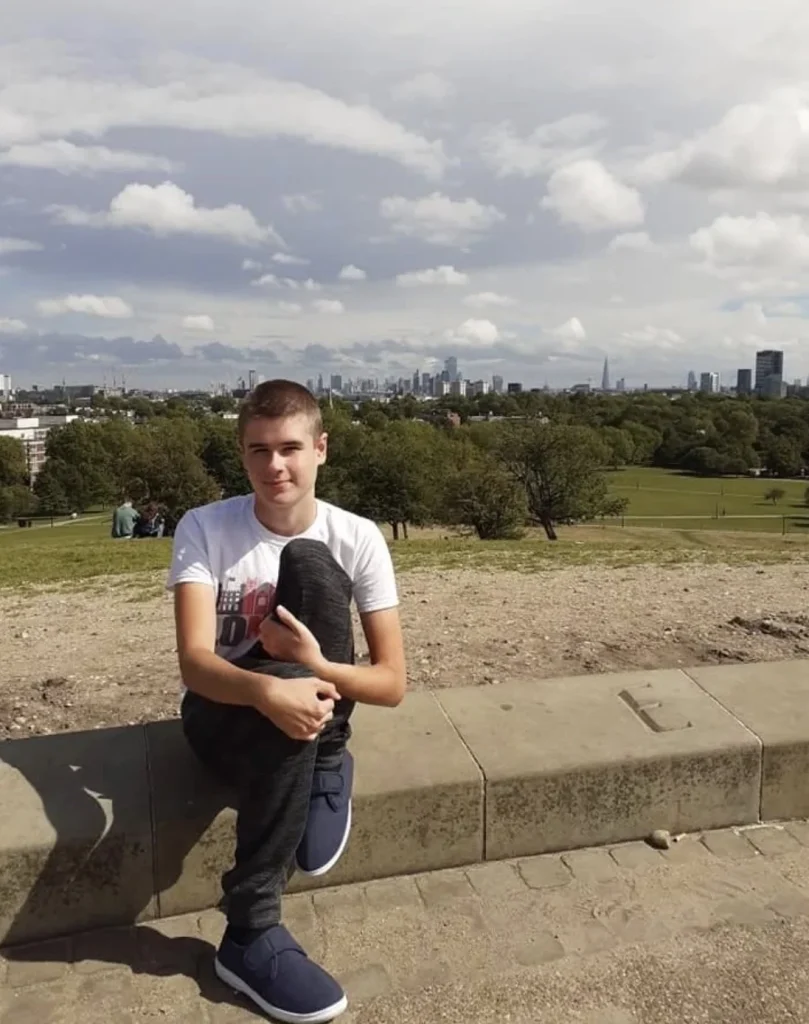
the city of London and ITV’s Loose Women.
I dreamed of visiting the city and meeting the presenters, even though I was too unwell to ever leave my bed. Those dreams felt impossible – but they kept me going.
After three long years, my physical health finally began to improve. My body loosened. I relearned how to use my arms. Slowly – very slowly – I learned how to sit upright again.
This was monumental.
After years unable to sit, my body remembered how.
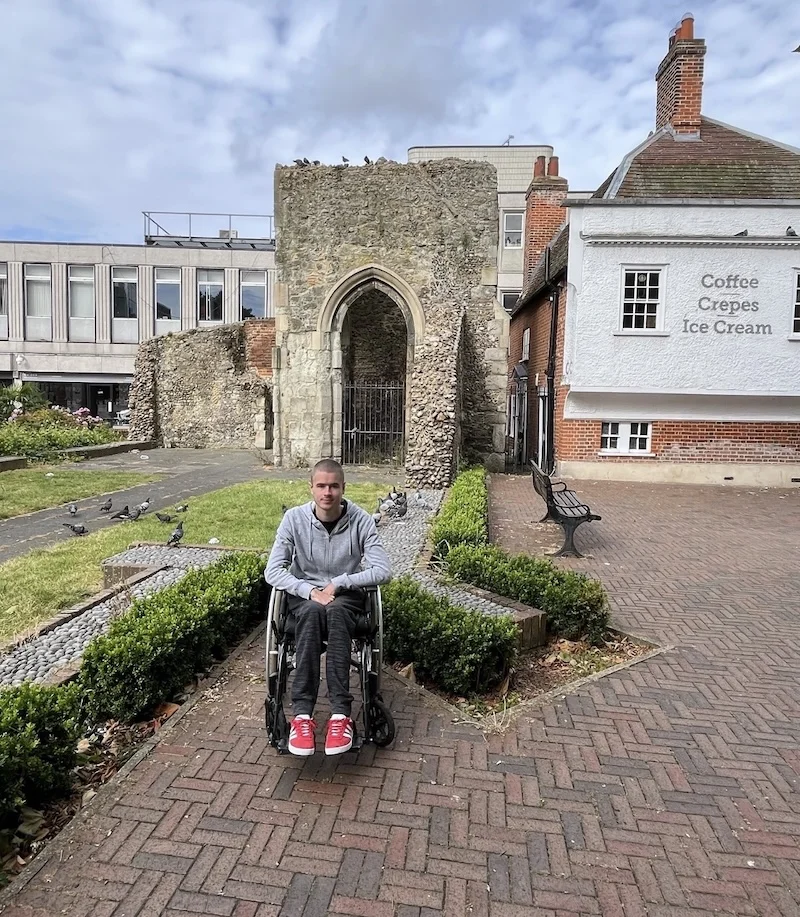
Soon I was able to tolerate equipment again, and I was given a wheelchair. My first outing in years – to the hospital to collect it – felt like stepping into a new world. It marked the start of my new life with FND.
I wasn’t well enough to return to school, so I received home tutoring that included sensory work, rehabilitation tasks, baking, food tasting, and day trips. These experiences helped piece my life together again.
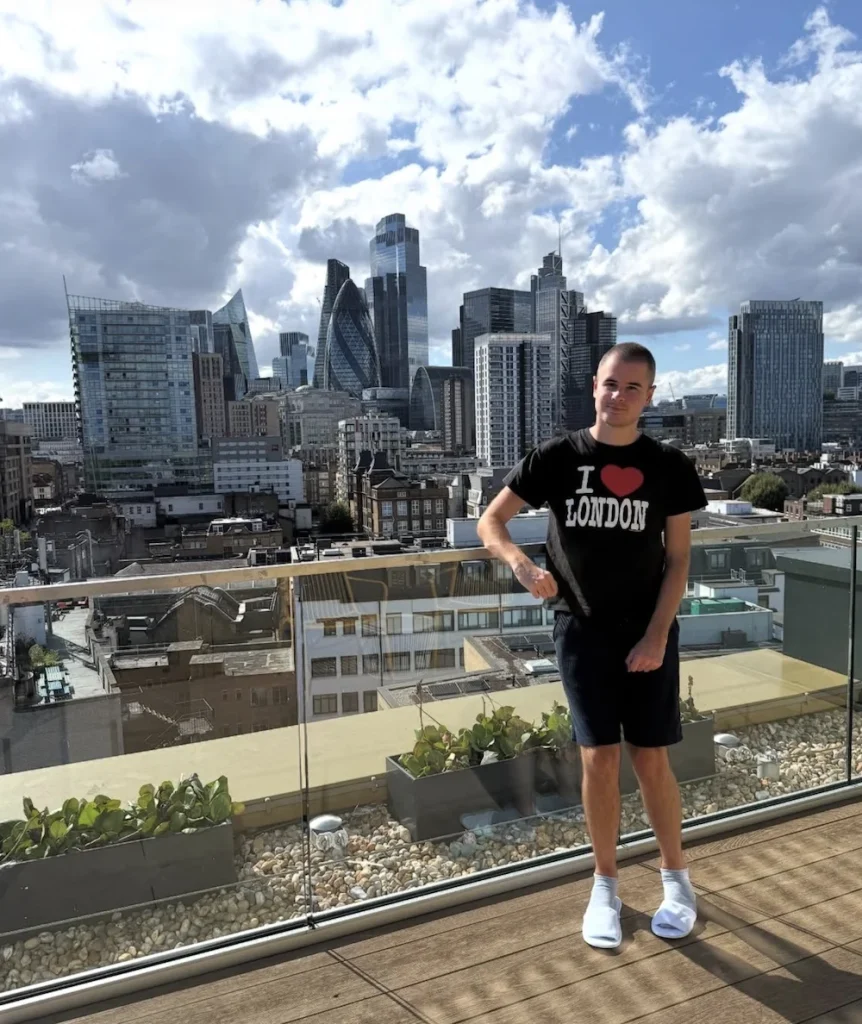
The Loose Women team heard about my story and even sent me a video message – and later I met them in person. Today I’ve met 15 Loose Women and made it to London many times. I take photos of the city on my phone and keep a special London box filled with souvenirs from my favourite place.
Nearly ten years on, I’m still recovering and learning to walk again. Doctors aren’t sure if I will ever fully recover, but I am learning to live with my “new normal.” Some days are still difficult; FND continues to affect both my physical and mental health and because of the impact of having severe FND I can experience overwhelming difficult feelings.
But I’ve rediscovered something FND couldn’t take from me:
determination.
Becoming disabled throughout my teenage years has shaped who I am. I found strength I didn’t know I had. And now that I have my voice back, I’m using it to raise awareness and challenge the misunderstandings that people with FND face every day.
For years, my symptoms were dismissed or misunderstood due to the lack of awareness surrounding FND. That’s why I am committed to speaking out – to help others understand the reality of this condition and to give hope to anyone going through something similar.
When I was 13, I lost my voice, my movement, and my freedom to an invisible illness. But if I can survive all of that, I can survive anything.
I am adjusting to life after severe FND, rebuilding my future, and embracing adventures again – including my dream of visiting Cyprus one day.
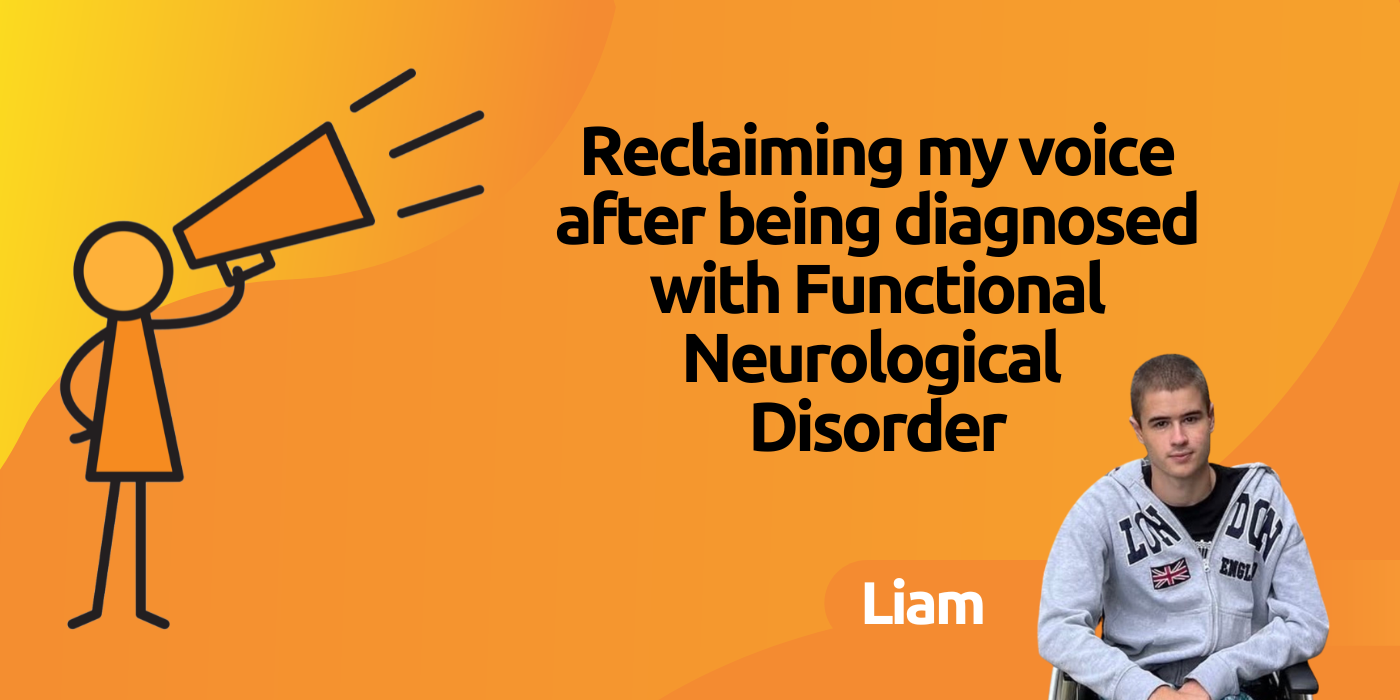
I am Liam Virgo, and today, I’m the one telling my own story.